
Housed but not Homed: The Childhood Trust Warns of the Impact of ‘Empty Shell’ Tenancies on Children’s Development
A new report from London child poverty charity, The Childhood Trust, produced in partnership with eight other charities including Barnardos and End Furniture Poverty, reveals the extent of the housing crisis and the impact of material deprivation. Thousands of children are being moved into homes that are little more than concrete shells and with a devasting impact on their formative development.
The report, titled Housed but not Homed, highlights the systemic failure where families are routinely placed in unfurnished accommodation, coupled with inconsistent housing standards and limited policy recognition that furniture is essential to children’s health and wellbeing. Data from research partner End Furniture Poverty, reveals that just 2% of social housing tenancies in England are part or fully furnished, compared to 29% of private rental properties. One mother interviewed for the research described the moment she moved her family into their new social housing placement: “It didn’t feel like a child’s bedroom, more like an empty box.”
While moving families out of temporary accommodation is celebrated, the research finds that this is a hollow victory for many. Despite the 2026 update to the Decent Homes Standard, thousands of children will still sleep on bare floors, and with Local Welfare Provision (LWP) budgets often exhausted, charities are often left to fill what gaps they can.
For the 45% of children in Hackney living in poverty after housing costs, for example, the cost of furnishing these ‘empty boxes’ is an impossible barrier. The report identifies where instead of a sanctuary, children’s bedrooms are echoing, uncarpeted rooms that lack the basic infrastructure for a healthy childhood.
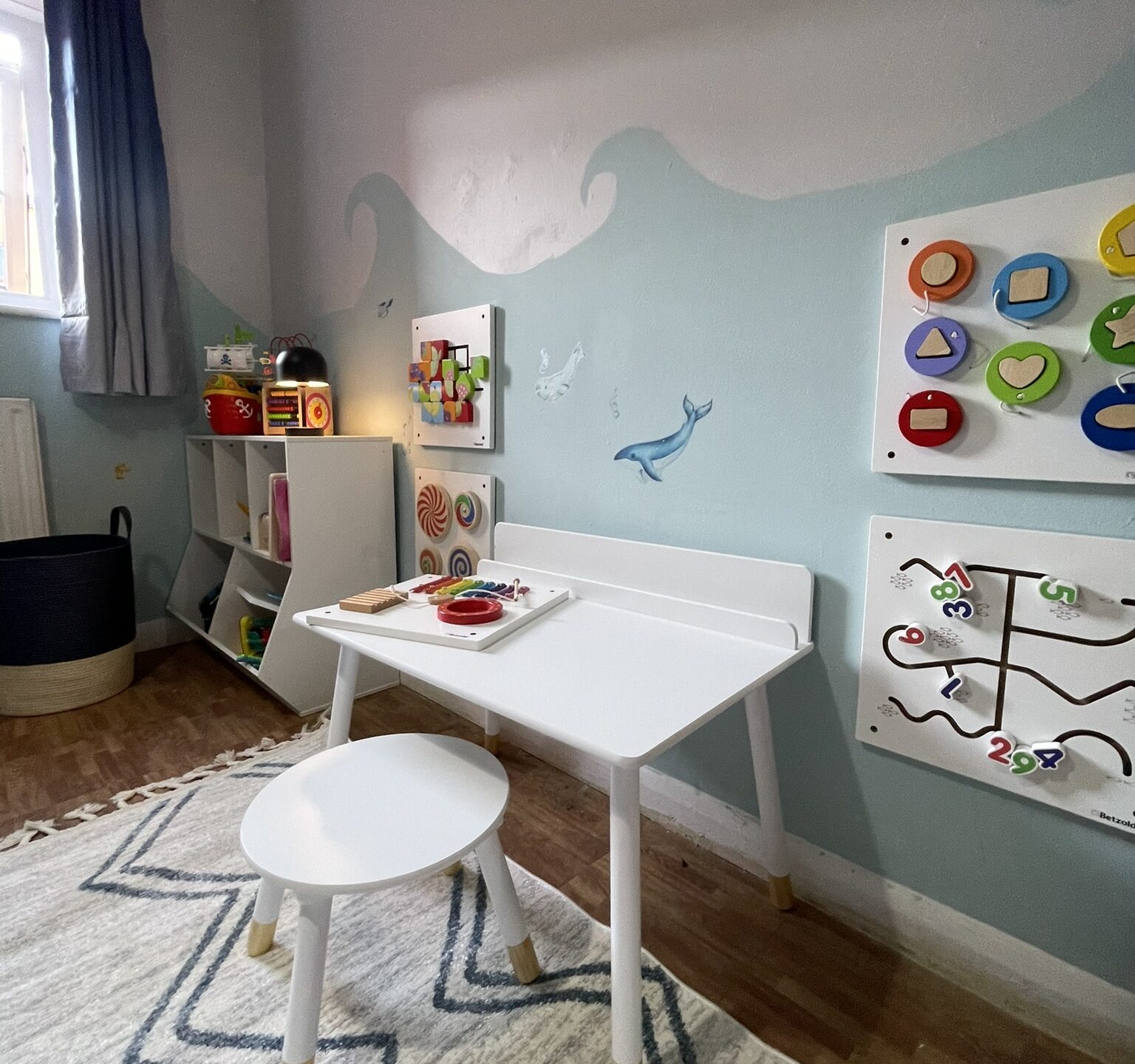
The research links furniture poverty to developmental trauma in children including chronic sleep deprivation and ‘home-shame’, which isolates children from their peers. The study also explored the effects of room transformations from charities, including the bedrooms of children living in poverty by The Childhood Trust, with an immediate impact.
Josephine McCartney, Chief Executive at The Childhood Trust, said:
“At The Childhood Trust, we believe in cultivating safe spaces for children. We see too often the serious challenges families are facing due to inadequate housing and furniture poverty. This research highlights the immediate and harmful effects on children’s wellbeing and growth, and the significant stress and shame parents experience.
“It can’t be understated how home and bedroom transformations have immediate, measurable benefits to children and their families. These life-changing moments enable children to sleep peacefully, play freely, learn confidently, and grow. It is vital that housing conditions and standards are improved and families receive sustainable and reliable support. We’re calling on policymakers to recognise furniture poverty as an essential housing and child-welfare issue within current policy frameworks, ensuring families’ basic needs and wellbeing are met.”
The report includes several recommendations including:
- A call for policymakers to improve housing conditions and ensure families receive sustainable and reliable support and a review of the
- Recognise furniture poverty as an essential housing and child-welfare issue within policy frameworks.
- Ensuring that current housing policy meets the basic needs and wellbeing of vulnerable families and children.