
Creating Spaces for Children to Thrive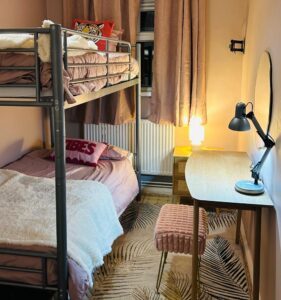
Furniture poverty, defined as the inability to afford essential furniture and white goods, affects millions of households in the UK and is particularly concentrated among families in social housing, private rented accommodation, and emergency or temporary housing. It has immediate and harmful effects on children’s wellbeing, including sleep deprivation, emotional distress, reduced concentration at school and a lack of safe, personal space.
When a child has a bedroom space that has been created with them, taking into consideration their interests and needs, it:
Improves sleep and development
Quality beds and bedding improve children’s sleep and rest, leading to better school engagement and confidence in the classroom. For infants, providing a floor covering removes developmental barriers to play.
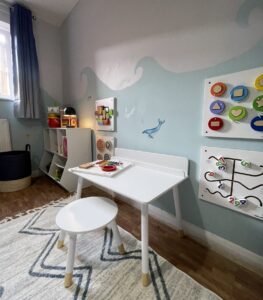
Improves feelings of stability, confidence, belonging and pride
A bedroom that feels like their own through personalised decor and furniture can help children to feel happy and relaxed, and provides a sense of ownership and identity.
Improves socialising and relationships
A personal space that is bespoke to a child’s needs and interests reduces social isolation, making children more confident to invite friends over and reducing the shame associated with furniture poverty.
Enables play, study and creativity
Providing a dedicated space in the home for children can allow them to be better organised, increase their concentration on educational activities and support them to play freely and explore their creativity.
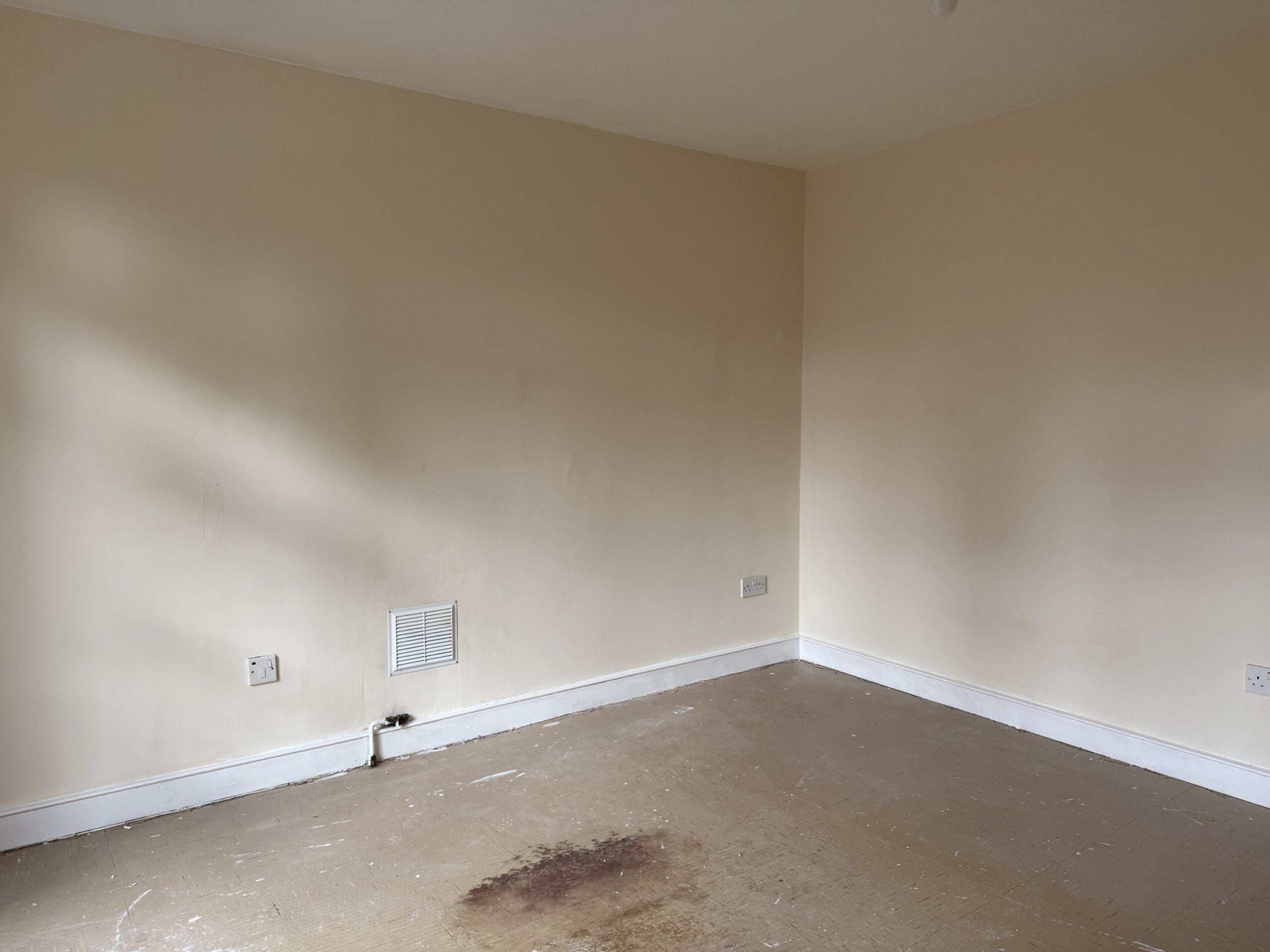
Housed but Not Homed
Read our research exploring the impact of furniture poverty and inadequate housing conditions.
-
59
Bedrooms fully decorated
-
640
Volunteers engaged